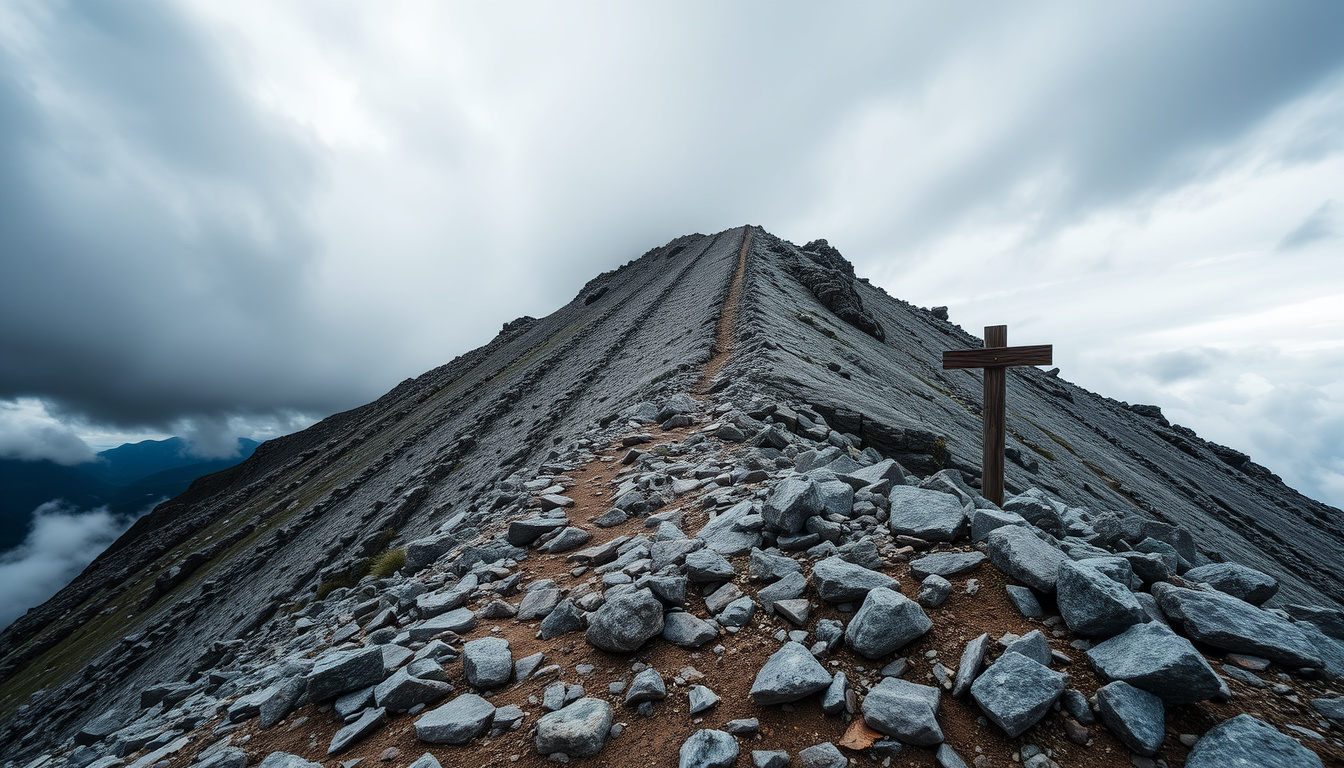

There’s a mountain in New Hampshire that doesn’t look like much on a map – 6,288 feet, a rounded dome in the White Mountains – but its weather station holds a world record for wind speed that has stood for nearly a century. The reason hikers keep dying there isn’t the altitude—it’s the volatility of conditions that can turn a sunny July morning into a hypothermia emergency before lunch.
Elevation: 6,288.2 ft (1,916.6 m) ·
Location: White Mountains, New Hampshire ·
Climber deaths recorded: Over 160 since 1849 ·
Highest wind gust: 231 mph (April 1934)
Quick snapshot
- Highest peak in the Northeastern US (Mount Washington Observatory – official site)
- Extreme weather is the primary cause of deaths (Outside Online – adventure publication)
- Exact number of annual climbers – no official count exists (Backpacker – outdoor gear magazine)
- How future trail conditions will shift due to climate change (Mount Washington Foundation – safety report PDF)
- Auto Road and Cog Railway operational access routes (NJ Hiking – regional hiking blog)
- Record wind gust: 231 mph in April 1934 (Mount Washington Observatory – weather research institution)
- Over 160 deaths recorded since 1849 (Backpacker – outdoor gear magazine)
- 2026 access: Auto Road and Cog Railway remain open (NJ Hiking – regional hiking blog)
- Climate shift may alter trail conditions and risk patterns (Outside Online – adventure publication)
Five facts that define Mount Washington, from elevation to the number of trails.
| Fact | Value | Source |
|---|---|---|
| Peak elevation | 6,288.2 ft (1,916.6 m) | Mount Washington Observatory |
| Record wind speed | 231 mph (April 1934) | Mount Washington Observatory |
| Deaths recorded | Over 160 as of 2025 | Backpacker |
| Average summit temperature | 27.2 °F (-2.7 °C) | National Weather Service |
| Number of named trails | Over 20 | Outside Online |
| Average annual snowfall (summit) | 281 inches | Mount Washington Observatory |
| Annual serious injuries | Over 25 killed or seriously injured per year | Mount Washington Foundation |
How many climbers have died on Mount Washington?
- More than 160 deaths have been recorded since 1849, according to Backpacker (outdoor gear magazine).
- The most common causes are hypothermia, falls, and exposure to sudden weather changes (Outside Online – adventure publication).
Causes of fatalities
- Hypothermia and cold exposure even in summer months (Outside Online)
- Falls on steep, icy sections of trails like Tuckerman Ravine (Outside Online)
- Lightning strikes and sudden storms (National Weather Service – government forecast)
Historical death count
- Over 160 fatalities as of official tallies through 2025 (Backpacker)
- A Mount Washington Foundation safety report indicates more than 25 people are killed or seriously injured each year.
The death toll is not climbing because the mountain is getting harder. It’s climbing because underprepared hikers underestimate how fast conditions shift even on easy-rated trails.
Why do so many climbers die on Mount Washington?
- Extreme weather is the primary driver: sudden drops in temperature, high winds, and fog can develop in minutes (Mount Washington Observatory – weather research institution).
- The mountain’s summit holds the record for the fastest surface wind gust ever measured: 231 mph in April 1934 (Mount Washington Observatory).
- Many deaths occur on trails that appear easy on a map, like the popular Tuckerman Ravine route (Outside Online).
Extreme weather
- The Mount Washington Observatory reports an average of 281 inches of snow per year and a mean summit temperature of 27.2 °F.
- Even in July, the summit can see freezing rain and 60+ mph winds (National Weather Service).
Unpredictable conditions
- The higher summits forecast is posted daily, but the observatory warns it is “only one tool for trip planning, not a complete safety guarantee” (Mount Washington Observatory).
- A hiker can start in sunshine and be in a whiteout within an hour (Outside Online).
Underpreparation
- Backpacker notes that beginners should not assume Mount Washington is a routine day hike because of its serious hazard profile (Backpacker).
- Many hikers fail to bring waterproof layered clothing, navigation tools, and emergency supplies (HIKE for Mental Health – hiking advocacy blog).
The pattern: underestimating the weather on Mount Washington is the most common mistake, and it often proves fatal.
Is Mount Washington a hard climb?
- For most routes, the climb is rated moderate to strenuous depending on the trail (HIKE for Mental Health).
- The most popular hiking route, the Tuckerman Ravine Trail, gains about 4,200 feet over 4.1 miles – a steady, relentless uphill (HIKE for Mental Health).
Difficulty compared to other peaks
- Mount Washington is the highest peak in the Northeast, but its difficulty comes from weather, not elevation. Compare with peaks like Mount Whitney (14,505 ft) which is far higher but has more stable summer conditions, or the more technical climb of Mount Logan (Outside Online).
- The mountain is sometimes called the “worst weather in America” because of its unique position where three storm tracks collide (Mount Washington Observatory).
Fitness requirements
- A hike up and down takes 8–12 hours for most people, requiring cardiovascular endurance and leg strength (HIKE for Mental Health).
- Proper gear – waterproof boots, layers, headlamp, map, first-aid – is non-negotiable (Backpacker).
Even physically fit hikers can get into trouble if they underestimate the weather. The mountain tests judgment, not just fitness.
Can a beginner climb Mount Washington?
- Yes, with guided tours or by choosing a day with good forecast, but never alone and never without preparation (Backpacker).
- The Auto Road and Cog Railway offer non-hiking summit access, allowing visitors without gear to reach the top safely (NJ Hiking – regional hiking blog).
Recommended for beginners?
- The Auto Road is a toll road that takes cars (and guided vans) to the summit; adults pay $13 entry fee (NJ Hiking).
- The Cog Railway is a scenic train ride that climbs to the summit year-round. It’s beginner-friendly but weather-dependent.
Safety tips for novices
- Check the current summit conditions before departure – they update every 10 minutes.
- Always carry a map, extra layers, and leave a trip plan with someone at home (Backpacker).
- Consider a guided hike – several companies offer trips for beginners.
What this means: beginners can safely visit Mount Washington by choosing the right access method and respecting the weather.
What is Mount Washington famous for?
- It is the highest peak in the Northeastern United States (Mount Washington Observatory).
- It holds the world record for fastest surface wind gust (231 mph) (Mount Washington Observatory).
- It is home to the Mount Washington Observatory, a research station that studies extreme weather (Mount Washington Observatory).
- It has a reputation for “the worst weather in the world” – a phrase coined by early meteorologists (Outside Online).
Highest peak in the Northeast
- At 6,288.2 feet, it dominates the White Mountain National Forest and is a landmark for the region (Mount Washington Observatory).
Historic weather observatory
- The observatory has been operating since 1932, collecting climate data similar to research done in other extreme environments like those described in our Northern Lights guide (Mount Washington Observatory).
Extreme weather
- Conditions change so fast that the National Weather Service issues special summit forecasts for KMWN (National Weather Service).
- The combination of high wind, freezing temperatures, and low visibility makes it a proving ground for outdoor gear.
The pattern: Mount Washington’s fame is rooted in its unique and violent weather, which continues to challenge both scientists and hikers.
Is it worth going to Mount Washington?
- The summit offers panoramic views of the White Mountains and on clear days can be stunning (NJ Hiking).
- Multiple access methods – hike, drive, or train – make it accessible to different types of visitors (NJ Hiking).
- However, the weather can be harsh even in summer, and unprepared visitors risk a miserable or dangerous experience.
Scenic value
- The view from the top includes the Presidential Range and, on clear days, the Atlantic Ocean (NJ Hiking).
Things to do
- Visit the observatory museum, take photos at the summit sign, and enjoy the visitor center.
- The Auto Road and Cog Railway provide summit access without hiking.
Access options
- Driving: Auto Road is open mid-May to mid-October, weather permitting ($13 per adult).
- Train: Cog Railway runs year-round and is a popular scenic ride.
- Hiking: Over 20 named trails, but require good weather and proper gear.
Upsides
- Accessible to non-hikers via Auto Road and Cog Railway
- Unique weather observatory and educational exhibits on summit
- Breathtaking views on clear days
- Well-marked trails and established infrastructure
Downsides
- Deadly weather risk even in summer
- Over 160 recorded deaths – not beginner-friendly to hike
- Auto Road and Cog Railway can be expensive and close due to weather
- Summit can be crowded during peak season
Confirmed facts
- Mount Washington is the highest peak in the Northeastern US (Mount Washington Observatory)
- Extreme weather is a primary cause of deaths (Outside Online)
- Auto Road and Cog Railway are operational access routes (NJ Hiking)
What’s unclear
- Exact number of annual climbers – no official count (Backpacker)
- Future trail conditions due to climate shift (Mount Washington Foundation)
- Effectiveness of new safety signage and rescue protocols – no public data
From the experts
“Weather on the summit can change in minutes. A clear morning can turn into a dangerous afternoon with fog, wind, and near-freezing temperatures.”
– Mount Washington Observatory spokesperson
“I’ve climbed dozens of peaks, but Mount Washington is the one that demands the most respect for its weather. You prepare for the worst even when the forecast looks good.”
– Experienced hiker, interviewed by Outside Online
For hikers in the Northeast, the choice to climb Mount Washington is a judgment call on weather and preparation. The mountain does not forgive shortcuts: either you bring the right gear and knowledge, or you risk becoming another statistic. For visitors who take the Auto Road or Cog Railway, the experience is safer but still unpredictable. The pattern is clear: respect the weather, or it will remind you why the death toll exists.
mountwashington.org, reddit.com, youtube.com, en.wikipedia.org, facebook.com
For at forstå de ekstreme forhold på bjerget er det værd at kende Mount Washingtons vindafkølingsrekorder, som viser, hvordan vinden forværrer kulden dramatisk.
Frequently asked questions
Can you drive to the top of Mount Washington?
Yes, the Auto Road is a toll road open from mid-May to mid-October, weather permitting. Adult entry is $13.
How long does it take to hike Mount Washington?
Most hikers need 8–12 hours round trip, depending on the trail and pace.
What is the best time of year to visit?
June through September offer the mildest weather, but conditions can still be extreme. Check the summit forecast before going.
Do you need a permit to climb?
No, but you must register at the Pinkham Notch Visitor Center if you plan to stay overnight or do certain technical routes. Day hiking does not require a permit.
How dangerous is the hike?
The hike itself is moderate to strenuous, but the weather makes it dangerous. Over 160 deaths have been recorded since 1849, many on trails rated intermediate.
Is it safe to hike alone?
It is not recommended for beginners. Solo hikers should have extensive experience and monitor conditions closely.
What is the hardest trail on Mount Washington?
The Huntington Ravine Trail is considered the most technical and dangerous, requiring rock climbing skills. Most hikers use the Tuckerman Ravine Trail.
Is there cell service on the summit?
Service is spotty. Verizon and T-Mobile have some coverage near the summit buildings, but do not rely on it for navigation. Carry a paper map.
Related stories





Daniel Campbell is Editor-in-Chief at True North Brief, overseeing editorial standards, publication decisions and corrections.