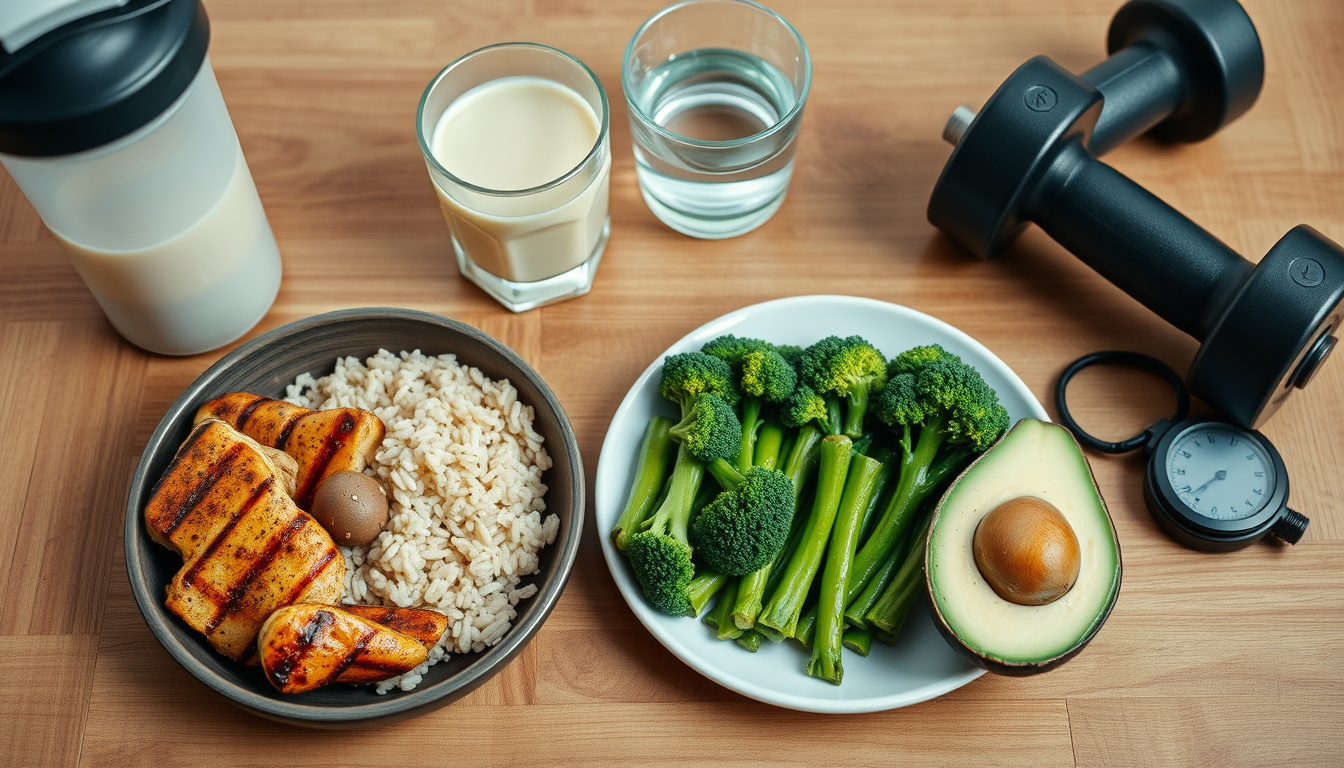
You’ve just finished a tough workout, and your body is sending clear signals: it needs fuel. But what you eat in the next hour can make or break your recovery. Research from Serenis Nutrizione (Italian sports nutrition platform) shows that a balanced post-workout meal helps restore energy reserves and stimulates protein synthesis, reducing fatigue and improving performance in subsequent sessions.
Optimal post-workout eating window: 30–60 minutes after exercise ·
Recommended carb-to-protein ratio for recovery: 3:1 or 4:1 ·
Protein synthesis boost from post-workout meal: Up to 50% increase ·
Calorie deficit needed to lose 0.5 kg per week: 500 calories daily
Quick snapshot
- A balanced post-workout meal restores energy and stimulates muscle protein synthesis (Serenis Nutrizione)
- Carbohydrates replenish muscle and liver glycogen stores (BestBody, Italian fitness nutrition site)
- Post-workout snacking reduces appetite and helps prevent overeating later (Serenis Nutrizione)
- The exact carb-to-protein ratio for maximal hypertrophy is still debated (ranges from 3:1 to 5:1)
- Whether the “anabolic window” is strictly 30 minutes or up to 2 hours for non‑athletes remains disputed
- If you eat strategically within the window, you optimize recovery and gains. Skip it, and recovery slows and injury risk rises (BestBody)
Four key numbers that define the post‑workout nutrition landscape.
| Label | Value |
|---|---|
| Optimal post-workout protein intake | 20–40 grams per meal |
| Glycogen synthesis rate | ~5% per hour if delayed beyond 2 hours |
| Average recovery time with proper nutrition | 24–48 hours |
| Fat loss without post-workout meal | Minimal if total daily intake ≤ TDEE |
How soon after exercise should you eat?
The anabolic window: myth or reality
- The 30‑ to 60‑minute post‑workout window is optimal for glycogen replenishment and muscle repair, according to BestBody (Italian fitness nutrition site).
- Eating immediately after training does not harm metabolism or fat loss; in fact, it helps prevent overeating later (Serenis Nutrizione).
Research from BestBody stresses that ignoring this phase can compromise training results and slow recovery. The catch: while the window is real for serious athletes, casual gym‑goers may have a slightly wider buffer—up to two hours—without losing benefits.
The implication: training intensity dictates how tightly you need to watch the clock.
If you’re training for performance, eat within an hour. If you’re working out for general fitness, a meal within two hours still delivers most of the recovery benefit.
What is the best post‑workout snack?
Snack for weight loss
- Focus on protein: 20–30 g with moderate carbs (30–40 g) aids satiety. Example: Greek yogurt with cucumber (Serenis Nutrizione).
Snack for muscle gain
- Increase carbs to 60–80 g and protein to 25–30 g. Liquid options like protein smoothies with milk, banana, spinach, and almond butter are recommended (BestBody).
Snack after fasted training
- Prioritize immediate protein (e.g., a hard‑boiled egg) plus healthy fats for sustained energy. A sample: egg with avocado.
What this means: your goal determines your snack composition. The same yogurt‑and‑fruit combo that works for weight loss won’t provide enough carbs for someone trying to build mass. The trade‑off is clear—match the macronutrients to the training outcome.
What not to eat after a workout
Foods that slow digestion
- High‑fat foods (fried items, creamy sauces) delay gastric emptying and slow nutrient delivery (Serenis Nutrizione notes that skipping a post‑workout meal altogether is a bigger error).
- Processed sugars (candy, soda) spike insulin and may impair muscle repair.
- Avoid carbonated drinks and excessive fiber immediately after training.
The pattern: the body needs quick‑digesting nutrients right after exercise. Fat, fiber, and carbonation all work against that. Stick to lean proteins and simple carbs for the first hour.
Skipping the post‑workout meal is a more common—and more damaging—mistake than eating the wrong thing. Missing the window can compromise training results and increase injury risk (BestBody).
What to eat for weight loss vs. muscle gain
Three examples, one pattern: lean protein always wins, but carb volume changes depending on your goal.
| Goal | Protein (g) | Carbs (g) | Sample meal |
|---|---|---|---|
| Weight loss | 20–30 | 30–40 | Greek yogurt + cucumber + dried fruit |
| Muscle gain | 25–30 | 60–80 | Protein smoothie (milk, banana, spinach, almond butter) |
| Cardio / endurance | 10–15 | 40–50 | Banana + coconut water |
The pattern: lean protein always wins, but carb volume changes depending on your goal.
Upsides
- Faster recovery and muscle repair (Serenis Nutrizione)
- Reduced appetite and better portion control later in the day (Serenis Nutrizione)
- Improved performance in subsequent workouts (BestBody)
Downsides
- Eating too much fat or fiber immediately after can cause bloating and slow nutrient absorption
- Over‑relying on liquid calories may reduce satiety for some people
Your post‑workout nutrition step‑by‑step
- Hydrate first. Drink 500–750 ml of water within 30 minutes of finishing.
- Eat a quick snack within 30–60 minutes (e.g., Greek yogurt with fruit – BestBody).
- Within two hours, have a solid meal that includes lean protein and complex carbs. Avoid high‑fat or high‑fiber foods during this window (Serenis Nutrizione).
- Adjust portions to your goal: higher carbs for muscle gain, higher protein for weight loss.
- Don’t skip the meal even if you trained in the evening—a small 100–150 kcal snack prevents midnight hunger and supports overnight recovery.
“After a workout, the body needs nutrients to rebuild tissues and replenish energy stores. A balanced snack helps stimulate protein synthesis and reduces fatigue.”
— Expert from Serenis Nutrizione (Italian sports nutrition platform)
“For weight management, focus on protein—20 to 30 grams—with moderate carbs. This combination boosts satiety and supports lean mass retention.”
— Nutritionist at Orogel (2025 article)
For Italian fitness enthusiasts, the choice is clear: eat within an hour, keep protein at 20–30 g, and match carb intake to your goal—or risk slower recovery and suboptimal results.
Frequently asked questions
Can I eat a banana after a workout?
Yes. Bananas provide quick‑digesting carbs and potassium, making them an excellent post‑workout fruit (Serenis Nutrizione).
Is it true that eating immediately after a workout is bad?
No. Eating within 30–60 minutes after exercise is actually recommended for optimal recovery (BestBody).
What should I eat after a workout to lose weight quickly?
Focus on protein (20–30 g) with moderate carbs (30–40 g). A Greek yogurt with cucumber and dried fruit is a good option (Serenis Nutrizione).
How long after a workout can I shower?
There is no strict rule, but waiting 15–20 minutes allows your heart rate to return to normal. The post‑workout nutrition window is more important than shower timing.
Is drinking water enough after a workout?
Water is essential, but a snack with protein and carbs is also needed for muscle repair and glycogen restoration (Serenis Nutrizione).
Can I skip eating after a late‑evening workout?
No. Even a light snack (100–150 kcal) helps prevent muscle breakdown and midnight hunger. Opt for casein‑rich foods like cottage cheese for sustained overnight release (BestBody).
Related stories





Ryan Clarke is Senior Markets Reporter at True North Brief, covering breaking stories and explainers.